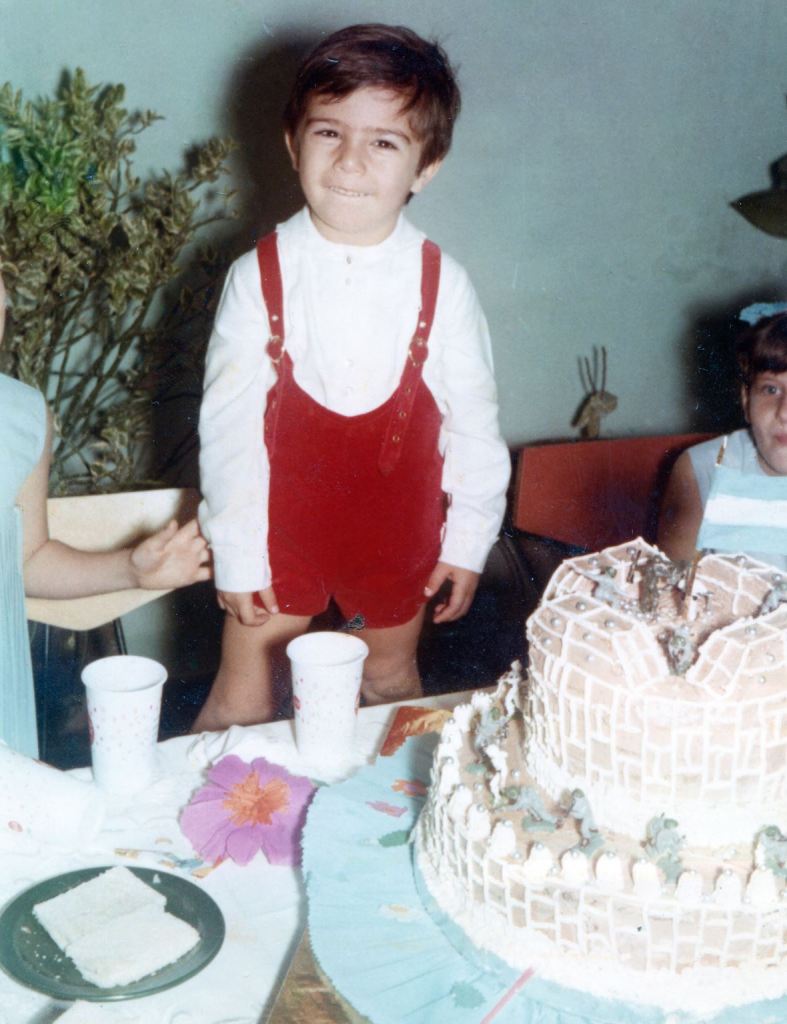
My mother was not only a torment
to the man who was my father —
she was a storm
that reached everyone around her.
She was an alcoholic.
Violent.
And I, her only child,
was the reason for her anger.
I do not drink.
I never have.
But I learned very early
what alcohol could do
to a person.
During the day,
she was already a hurricane.
But by evening,
her body began to demand alcohol.
And by midnight,
we knew she would come.
—
I lived with my grandmother.
Delfina.
She was the opposite of everything.
A sea of calm
in the middle of absolute chaos.
—
Around midnight,
we would hear it —
a car arriving too fast,
brakes cutting the silence,
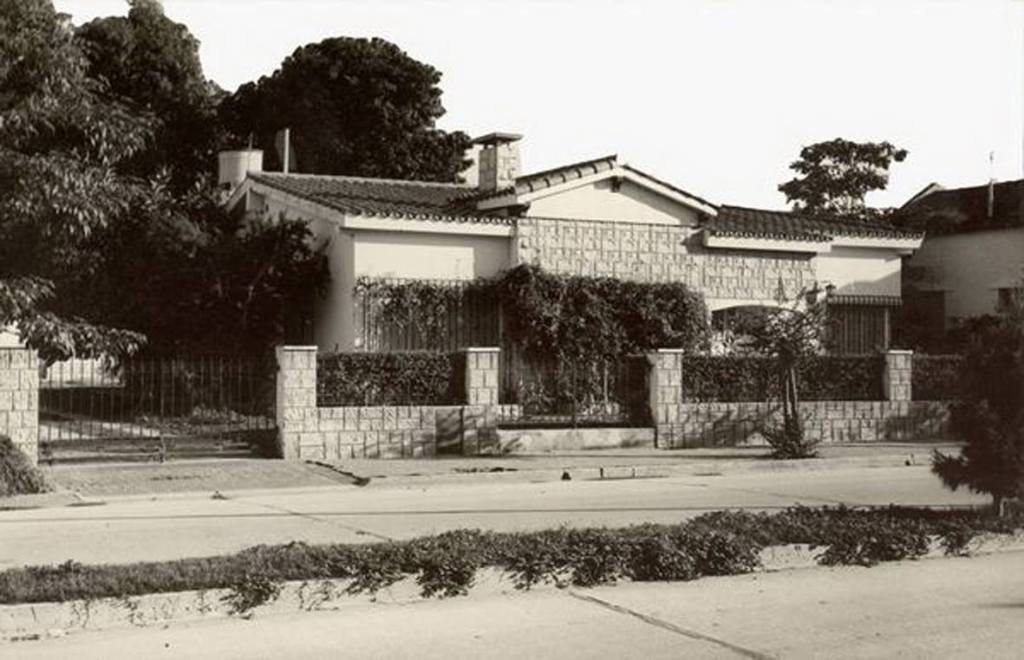
the gate slamming open.
She would enter
already armed
with whatever she found:
a branch,
a stick,
a stone,
a piece of brick.
—
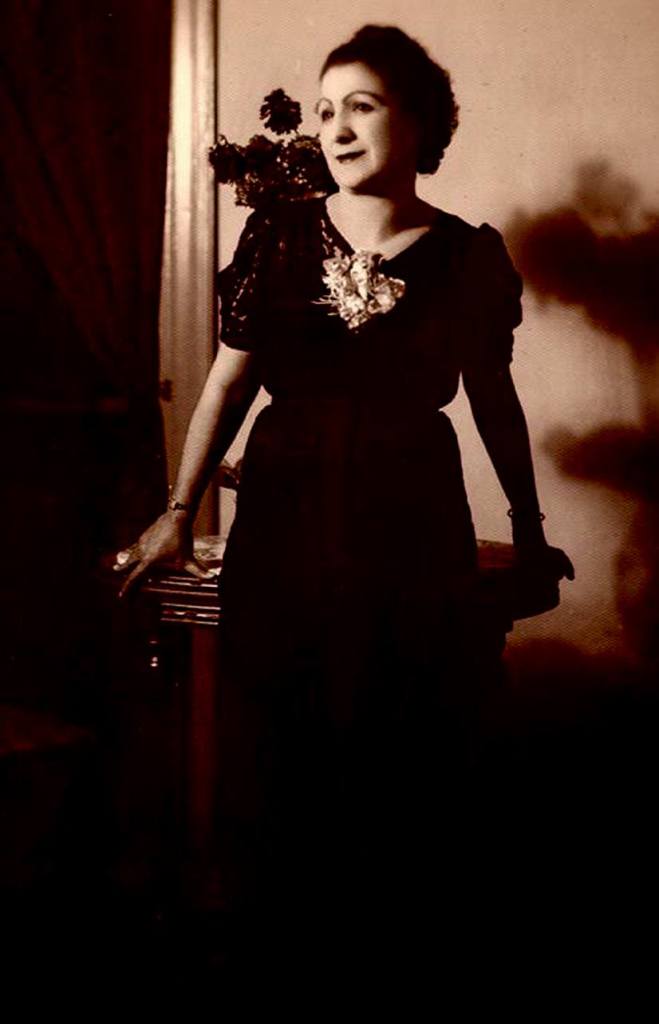
My grandmother would stand in front of me.
Always.
Like a wall.
She took the blows
meant for me.
Again and again.
—
One night,
my mother reached me.
The beating
was almost fatal.
My uncle — a doctor —
had to come
and take me away.
As we were leaving,
we heard a crash
and a cry.
We ran back inside.
My mother had thrown my grandmother to the floor
and was dragging her by the hair,
hitting her body against the walls.
—
And then…
days of silence.
Because she remembered nothing.
—
Years later,
when I had moved to Buenos Aires,
something else began.
My grandmother developed glaucoma.
The drops no longer worked.
She needed surgery.
—
The first operation was successful.
But the second…
slowly,
she began to lose her sight.
—
By the age of eighty,
she was completely blind.
She lived until ninety-five.
—
She used to call me:
“The light of my eyes.”
Because she had known light.
She had known colors.
And through my words,
she could still see them.
—
She saw the world through me.
—
The bond between us
was made of love.
And that love
was something my mother
could not bear.
—
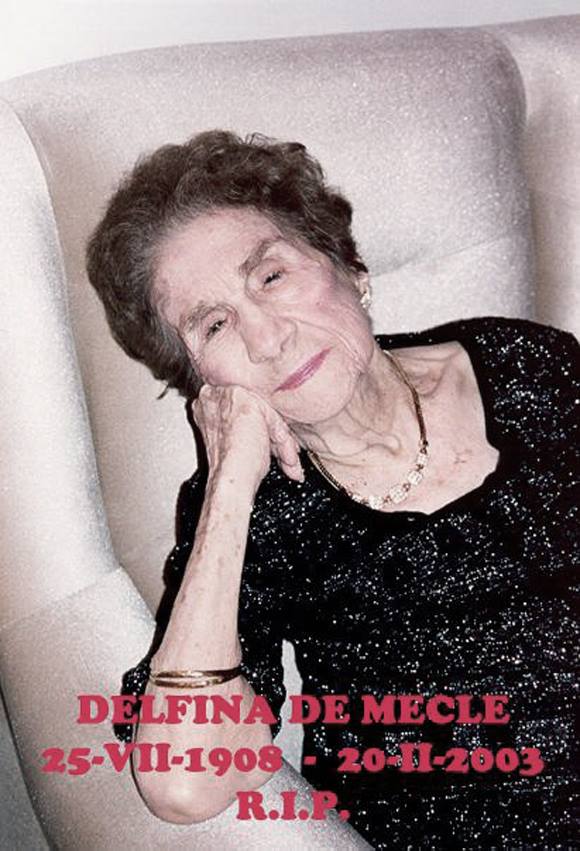
My grandmother died
on February 20th, 2003.
A day of celebration in Salta.
The Battle of Salta.
But for me,
it was silence.
—
She had been
the only place
where I received love
without pain.
Without reproach.
With tenderness.
—
In 2006,
my mother was already ill.
Years of smoking.
COPD.
Ten years sober,
thanks to Alcoholics Anonymous.
—
Then a fall.
A blow to the head
against her oxygen tubes.
After that,
everything changed.
—
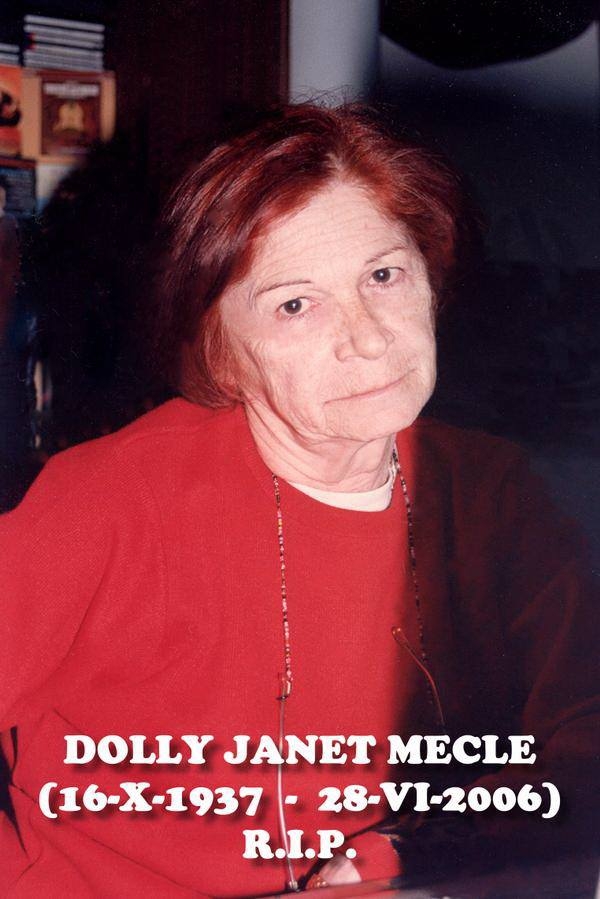
I brought her to Buenos Aires.
Took care of her.
Tests.
Studies.
Waiting.
—
The diagnosis came:
Stage IV lung cancer.
Brain metastasis.
—
Nothing could be done.
—
She came to die in my home.
—
One night,
her breathing changed.
I called her doctor.
He told me:
“These are her final minutes.”
—
I began to cry.
She was sedated.
Gone.
—
And then —
she called my name.
“Fabián.”
—
She was sitting on the bed.
As if nothing was happening.
—
“God gave me a moment,” she said,
“to tell you
how proud I am
to have been your mother.”
—
She asked me
if I could forgive her.
—
I told her:
“There is nothing to forgive.”
—
She insisted.
She remembered everything.
The insults.
The humiliation.
The violence.
—
“You were never the shame,” she said.
“I was.”
—
I told her:
“I forgive you.
And I love you.”
—
She looked at me
with a peace
I had never seen before.
—
“You are perfect, Fabián,” she said.
“The music I carried
now lives in you.”
—
She asked me for a kiss.
—
And moments later,
in the middle of that silence,
She died
in my arms.
—
Since June 28th, 2006,
I have been alone
in the world.
—
My grandmother
lost her sight
in 1988.
She lived
fifteen years
in darkness.
She used to call me:
“The light of my eyes.”
—
And now,
I am fighting
not to lose mine.
—
— Fabián Mecle
 WhereLightRemains