I never listened to lullabies.
My mother, a lawyer and lyric singer—a Wagnerian soprano—used to sing alongside Birgit Nilsson.
And yet, those voices did not disturb me.
They were, simply, music.
Music for my ears,
for my heart,
and for my soul.
These were the only recordings that existed in my home when I was a child.
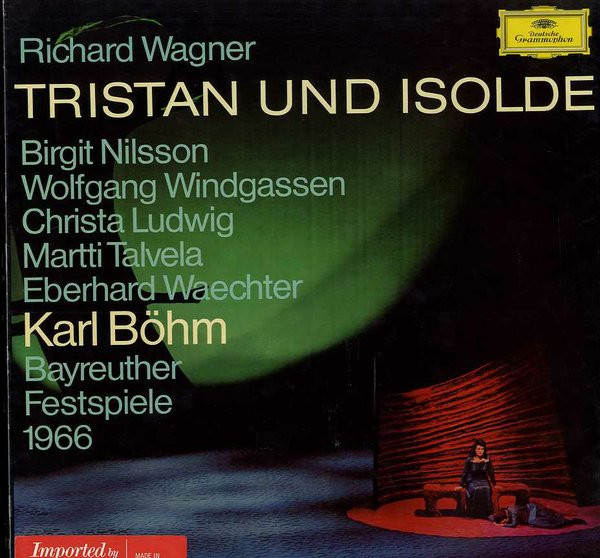
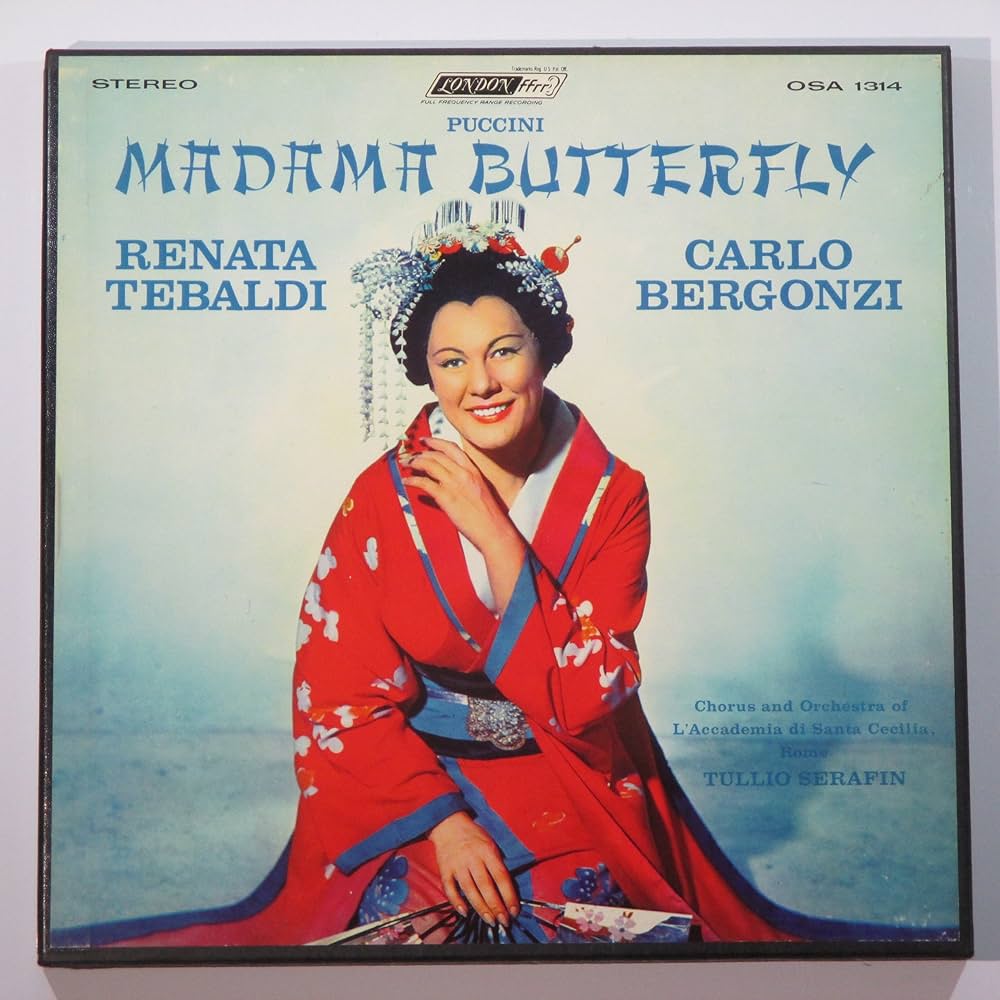
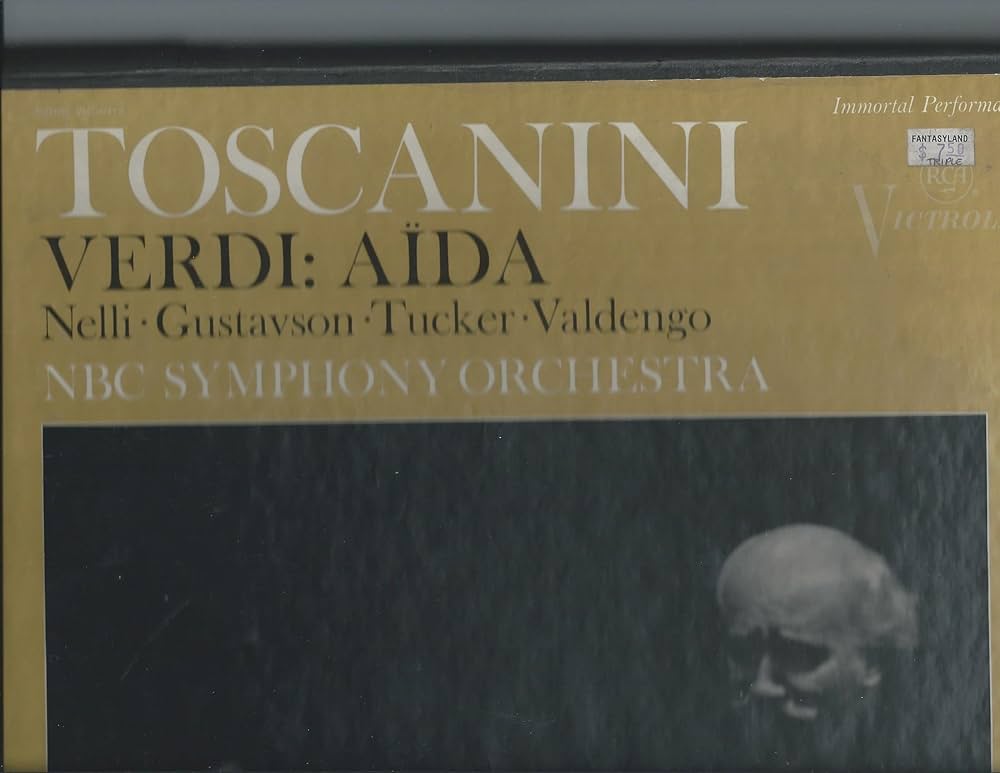
They were not perfect.
They were not new.
But they are exactly as they live in my memory.
That was my world.
At five years old, I already knew Tristan und Isolde by heart.
Not as one repeats, but as one inhabits a work.
I performed puppet versions for the neighborhood children.
I reduced the opera to about 45 minutes.
There were tickets.
There was an audience.
And during the intermission, my grandmother served tea.
Without knowing it, it was my first theatre.
In 1978, everything changed.
Until then, I only knew that closed world.
But during a trip to Buenos Aires, my mother took me to a record shop.
And there, she gave me Norma (Bellini), the 1955 live recording from La Scala.
She told me:
“You will fall in love with this woman’s voice.
Her voice is not particularly beautiful.
What she does with her voice is incomparable.”
And she was right.
Because in that Norma, María Callas entered my life.
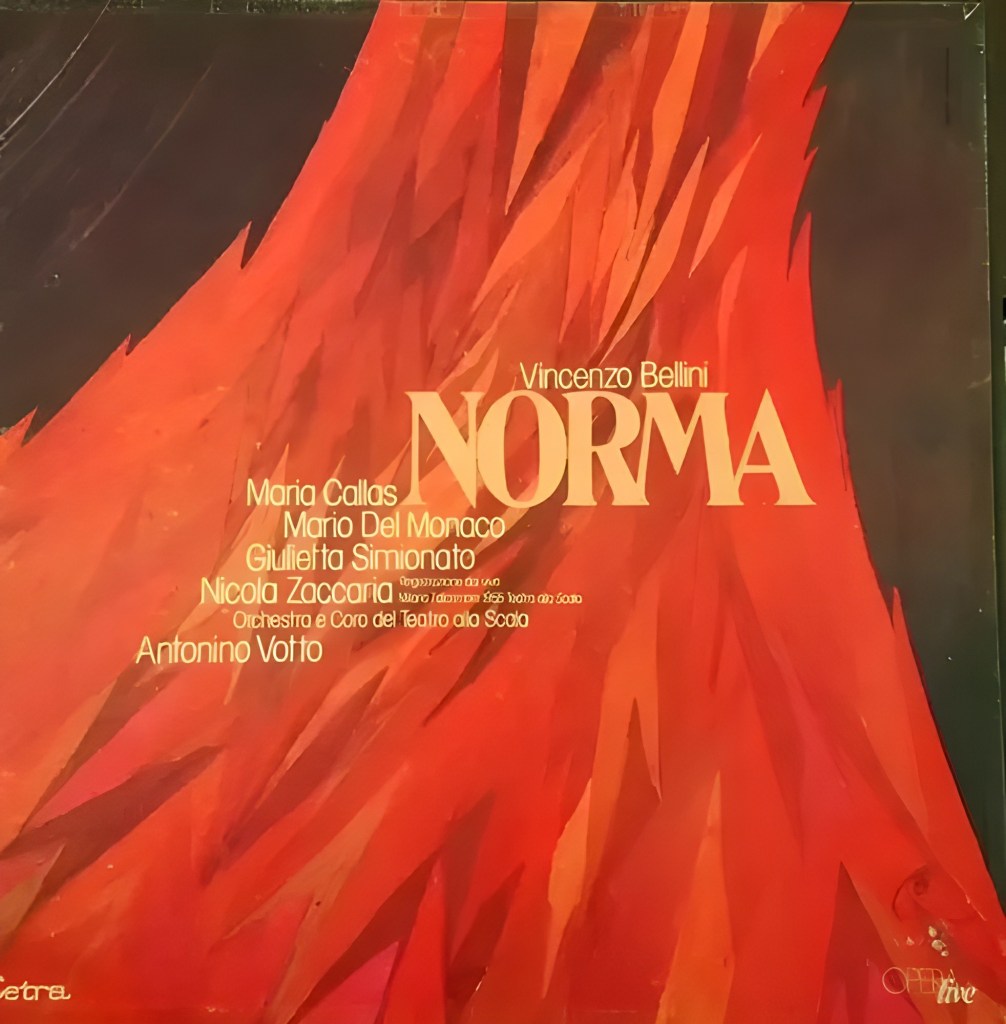
That was the first time my skin tingled.
Because of the accent.
Because of the perfect understanding of every word.
Because of the beauty of the music.
But with Callas, I heard something else for the first time.
I heard coloratura.
High notes.
Pianissimi.
But above all, I heard something more:
A character coming to life.
No longer a lyric singer…
but Norma, by Vincenzo Bellini.
And along with all that, something new to me:
The roar of the audience.
I understood that I was not just listening to music.
I was witnessing something alive.
I had heard great voices.
The voice of Birgit Nilsson: beautiful, imposing… but to me, cold, like an iceberg.
The voice of Renata Tebaldi: like the trunk of a tree, powerful across its entire range.
The voice of Herva Nelli: one that never truly convinced me.
But with Callas, everything was different.
And not to mention my first recordings with her.
Madama Butterfly — inevitably compared with Tebaldi.
La Sonnambula (La Scala, 1955), conducted by Leonard Bernstein.
Medea (La Scala, 1953), also under his direction.
And Lucia di Lammermoor… with Joan Sutherland, because I did not yet have Callas’s version.
With Madama Butterfly, I felt disoriented.
At first, her voice was that of a young girl.
As if a child were singing.
But as the opera unfolded, that voice transformed.
It became a woman.
And in that transformation… came the pain.
Reading the libretto, I understood:
Cio-Cio San was only fifteen.
And that is what Callas did:
she did not sing Butterfly… she was that young girl in love, betrayed,
forced to grow up instantly in abandonment.
A woman who chooses death when she must give up her child.
And even today, at sixty years old,
I still cannot stop crying when I hear her interpretation.
Years later, in secondary school, I staged Norma again with my puppets.
This time, in a more professional theatre built by my stepfather.
The final scene—the pyre—was never rehearsed.
He placed gunpowder among the stones of the set.
And from above, a lightning effect ignited it.
And so it happened.
The fire was real.
So real that our eyebrows were burned as we handled the puppets.
But what remained was something else.
From those children—humble, some of them indigenous—I heard for the first time:
“Bravo.”
That is how I met Callas.
And there was no turning back.
I counted the days until I could return to Buenos Aires.
My mother had promised:
we would buy everything we could find of Maria Callas.
And she kept her promise.
I discovered the Divine only a year after her death.
And to this day, she continues to astonish me.
I feel blessed.
Because I knew her.
 WhereLightRemains