Along this same line of thought —which I also recognize in:
Diego Barbosa-Vásquez’s work— light is not merely a stage resource, but a way of thinking.
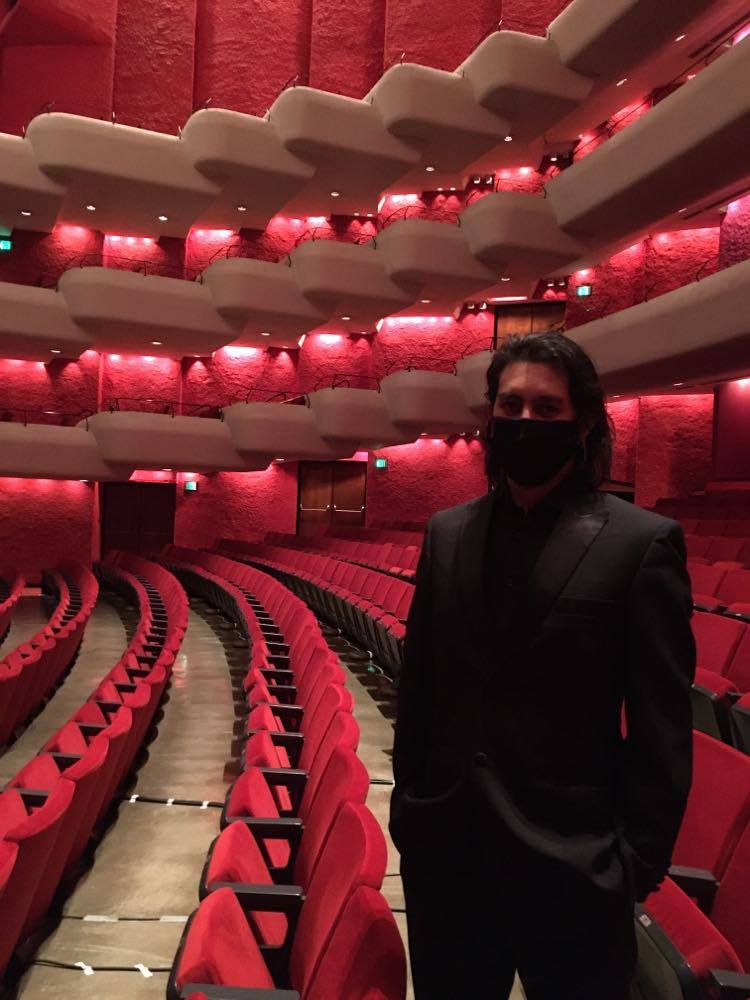
There are artists who illuminate the stage.
And there are others who build the conditions for light to exist.
In a time where art often risks becoming isolated from real communities, some figures work in the opposite direction: connecting research, practice, and human experience.
The idea of “light” — not as decoration, but as access — becomes essential. Light means visibility. It means voice. It means presence.
In opera, this question is fundamental: who is allowed to be seen, and who remains in the shadows?
Certain contemporary artistic visions are not only about producing performances, but about creating structures where art can truly belong to people again.
This way of thinking resonates with broader artistic legacies as well — from stage visionaries like Franco Zeffirelli, to foundations that continue exploring how art can remain alive, meaningful, and human.
Perhaps the future of opera does not depend only on how it sounds…
but on how it allows others to appear within it.
— Fabián Mecle
 WhereLightRemains